Creative Solutions for Disposing of Old Chargers Responsibly
In our fast-paced and ever-evolving technological world, the piles of unused electronics in our homes have grown alarmingly large. Among these, old chargers--for phones, laptops, tablets, and a variety of gadgets--are some of the most common culprits. While it may be tempting to simply toss them in the trash, doing so harms our environment and wastes valuable resources. This comprehensive article explores a range of creative solutions for disposing of old chargers responsibly, empowering you to make eco-conscious choices while decluttering your space.
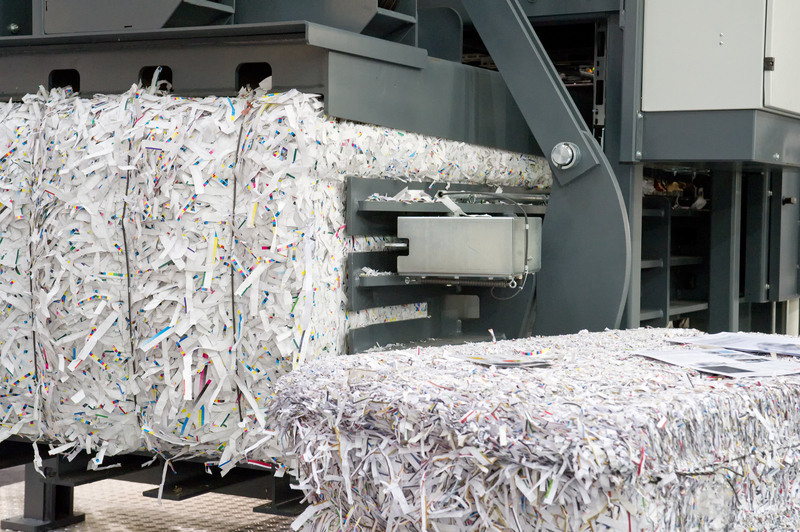
Why Disposing of Old Chargers Responsibly Matters
Modern electronics, including chargers, contain metals and chemicals that can leach into the soil and waterways when improperly discarded. E-waste is a growing global problem, affecting ecosystems, wildlife, and human health. According to the Global E-waste Monitor, an estimated 53.6 million metric tonnes of e-waste were generated in 2019 alone, with countless old phone chargers among them.
- Chargers may contain toxic substances such as lead, mercury, and cadmium.
- Improper disposal can cause environmental pollution and pose health risks.
- Recycling recovers valuable resources like copper and aluminum.
By using responsible disposal methods for old chargers instead of simply tossing them, you are contributing to a more sustainable, circular economy and reducing the negative impact on our planet.
Best Practices for Old Charger Disposal
1. Recycle with Certified E-Waste Facilities
The most direct and environmentally friendly way to dispose of old chargers is through certified e-waste recycling centers. These facilities are equipped to safely dismantle chargers, extract reusable metals, and responsibly dispose of hazardous components.
- Find a local certified recycler: Use tools like Earth911 or your municipality's recycling programs to locate authorized drop-off points.
- Check for electronics recycling events: Many cities host regular e-waste collection days where you can dispose of chargers and other outdated tech.
- Retailers with recycling programs: Stores like Best Buy, Staples, and other electronics retailers often have bins specifically for accepting old cables and chargers.
2. Donate Usable Chargers to Charities
Not all old chargers are obsolete. If they're still functional, they can find a second life with someone who needs them. Several organizations collect working electronics to assist underserved communities:
- Local shelters and community centers may accept working chargers to aid those in need.
- Nonprofits like Cell Phones for Soldiers use donated electronics to support service members and their families.
- Schools or libraries sometimes appreciate spare chargers for community gadget charging stations.
3. Repurpose Old Chargers Creatively
If you enjoy crafting or DIY projects, repurposing old chargers can be both fun and eco-friendly. Here are many innovative ways to give chargers new life:
- Cable organizers and ties: Cut old charger cords to appropriate lengths and use them to tie up other cables or garden tools.
- DIY jewelry or art: Charger wires can be woven, braided, or shaped into colorful jewelry, keychains, or even small sculptures.
- Learning resources for students: Teachers can use the cords for science experiments or show students how electronics work.
- Emergency charging kits: Tuck an old charger into a travel bag or car glove box, just in case you or a friend needs a compatible cable while on the go.
4. Sell or Swap Online
Surprisingly, many people still need a spare charger for an older device. Listing your spare chargers on resale marketplaces can put cash in your pocket and keep electronics in use:
- Online platforms like eBay, Facebook Marketplace, and Craigslist allow you to reach people looking for replacements.
- Community forums or neighborhood groups are great places to offer free chargers to those who might need them.
- Tech swap events in your area may facilitate direct exchanges of gadgets and accessories.
5. Upcycle for Home Improvement Projects
Old chargers, cables, and USB cords can have a solution outside of tech. Consider these upcycling possibilities:
- Plant ties: Sturdy charging cords are perfect for gently supporting garden plants.
- Wall hooks or hangers: Fashion cord loops as makeshift hooks for lightweight items.
- Desk cable management: Use pieces of cord to keep other wires organized and tangle-free.
Things to Avoid When Disposing of Chargers
- Never throw chargers in household trash. They do not biodegrade and can leach toxins into landfills.
- Don't place chargers in curbside recycling bins unless your local recycler clearly accepts them. Many recycling facilities are not equipped to handle e-waste and will divert them to landfill.
- Don't break open chargers to salvage parts unless you have proper training--exposure to certain internal components can be harmful.
Brand Take-Back and Manufacturer Programs
Many electronics companies have implemented take-back programs to encourage customers to return old chargers and accessories for safe disposal or recycling.
- Apple Recycling Program: Bring any brand of old chargers, cables, and devices to an Apple Store for recycling or mail them in for free.
- Samsung Recycling Program: Accepts a wide variety of e-waste, including chargers, at collection points globally.
- Dell and HP: Both offer convenient mail-back recycling options for old electronics and accessories.
Always check your device manufacturer's website for up-to-date information on disposal and recycling programs.
Charger Disposal Solutions for Businesses and Organizations
If your workplace, school, or organization regularly cycles through electronics, responsible disposal of surplus chargers is key. Here's how institutions can do their part:
- Coordinate bulk e-waste pickups with certified recyclers.
- Set up collection bins in communal areas for employees or students to drop off unwanted chargers safely.
- Partner with local charities to donate working equipment and support digital inclusion programs.
- Host tech recycling events to encourage widespread participation and awareness.
Tip: Businesses should keep records of disposed electronics, confirming they're diverted from landfill and processed responsibly.
Community Initiatives and Grassroots Programs
Community-driven efforts play a crucial role in responsibly recycling old charger cables. How you can get involved:
- Neighborhood clean-ups and collection drives: Work with local environmental groups to organize e-waste campaigns, targeting small electronics and chargers.
- Library and school drop-off bins: If allowed, advocate for placing collection bins in high-traffic public locations.
- Spread the word: Educate friends, family, or neighbors about the dangers of improper charger disposal and available solutions.
Environmental Benefits of Responsible Charger Disposal
- Reduces toxic pollution: Minimizes contamination of soil, water, and air from hazardous charger materials.
- Conserves natural resources: Recycles valuable metals, reducing the need for new mining and manufacturing.
- Lowers greenhouse gas emissions: Recycling demands less energy than creating new materials from raw resources.
- Encourages sustainable consumption: Promotes a shift toward longer-lasting, repairable, and reusable electronics.
Creative Alternatives and Future Trends in Charger Disposal
As technology advances, companies and consumers continue to explore inventive options for reducing e-waste problems:
- Universal charger standards: The move towards USB-C and universal charging ports aims to reduce the number of redundant chargers produced.
- "Right to Repair" movements: Advocating for easier repair and longer device lifespans leads to fewer discarded chargers.
- Biodegradable and modular charger design: Some companies are researching sustainable materials and designs for future chargers.
- Circular economy initiatives: Encourages the return, refurbishment, and resale of electronics instead of single-use, disposable mindsets.
Summary: Making Old Charger Disposal Count
Disposing of old chargers responsibly is an easy yet impactful way to support a healthier environment and help others. Whether you're recycling with certified facilities, finding new uses, or donating to those in need, your efforts prevent waste and sustain valuable resources. The next time you upgrade your phone or laptop, remember to handle outdated chargers and cables with care--Mother Nature (and your community) will thank you!
- Always search for responsible disposal solutions for old chargers rather than sending them to landfill.
- Get creative and think outside the box--reuse, repurpose, and reconnect!
- Support legislation and innovation that reduces e-waste and encourages universal charging standards.
By embracing these creative solutions for disposing of old chargers responsibly, you are helping to shape a cleaner, more sustainable world!
Frequently Asked Questions About Old Charger Disposal
-
What should I do if I'm not sure my old charger is recyclable?
Check with your local waste management authority, e-waste recycler, or electronics retailer. When in doubt, err on the side of caution and do not place it in household trash. -
Are there any privacy risks in disposing of old chargers?
While chargers typically do not contain data storage, always remove any memory cards or attached devices before recycling or donating. -
Can I recycle wireless charging pads and adapters?
Yes--these are considered e-waste and can be recycled through the same channels as traditional chargers.
Ready to make a difference? Start implementing these creative solutions for old charger disposal today and encourage others to join you on the journey to a greener tomorrow!