Effective ways to minimize waste at home
Effective Ways to Minimize Waste at Home
Minimizing waste at home is an essential step toward building a more sustainable future for our planet. Each household produces a significant amount of waste daily, much of which could be avoided or managed better with a few simple strategies. By adopting effective waste management techniques, you're not just reducing your carbon footprint, but also conserving resources and saving money. In this comprehensive article, we explore practical tips and real-life solutions you can implement to decrease household waste, from food scraps to packaging and everything in between.
Why Minimizing Household Waste Matters
Every product we buy, consume, and throw away has environmental ramifications. Landfills are filling up, incinerators release pollutants, and oceans are drowning in plastic. By reducing domestic waste, we address several pressing issues:
- Conserving natural resources
- Reducing greenhouse emissions
- Saving landfill space
- Promoting responsible consumption
Let's discover a range of waste reduction strategies for your home that can make a lasting difference.
1. Rethink Consumption Habits
Purchase Less, Choose Wisely
Mindful shopping is one of the most effective ways to minimize household waste. By being intentional with your purchases, you bring home less packaging, reduce the number of unwanted items, and save money. Consider these practices:
- Plan your shopping: Create grocery lists to prevent overbuying and food spoilage.
- Opt for quality over quantity: Invest in durable, long-lasting products instead of cheaply made disposables.
- Avoid impulse purchases: Take time to consider if you really need a product.
Demandless Packaging
Every year, millions of tons of unnecessary packaging end up in landfills. Support brands that offer minimal or eco-friendly packaging, and bring your own bags, containers, and jars when shopping.
- Shop at bulk stores where you can fill your own containers.
- Select products with recyclable or compostable packaging.
- Say no to single-use plastics such as straws and cutlery.
2. Adopt the 5 R's of Waste Management
The popular framework for effective waste reduction consists of:
- Refuse: Say no to items you don't need, such as unsolicited mail, freebies, or extra packaging.
- Reduce: Cut down on consumption by buying only what's necessary.
- Reuse: Find new purposes for items before discarding them.
- Recycle: Sort and process recyclable materials properly.
- Rot: Compost food scraps and organic materials where possible.
3. Effective Ways to Minimize Food Waste
Food waste is a major contributor to household rubbish. The good news? Most of it is preventable with some thoughtful habits.
Smart Shopping and Storing
- Make meal plans for the week and stick to your grocery list to avoid waste.
- Store your produce properly to prolong shelf life. For example, keep herbs in water and wrap leafy greens in a towel.
- Freeze leftovers and food items that won't be consumed immediately.
Use It All--Creative Cooking
- Cook with food scraps: Use vegetable peels for broths and soups.
- Repurpose leftovers: Transform yesterday's dinner into today's lunch.
- Monitor expiry dates regularly to avoid surprises at the back of the fridge.
Composting at Home
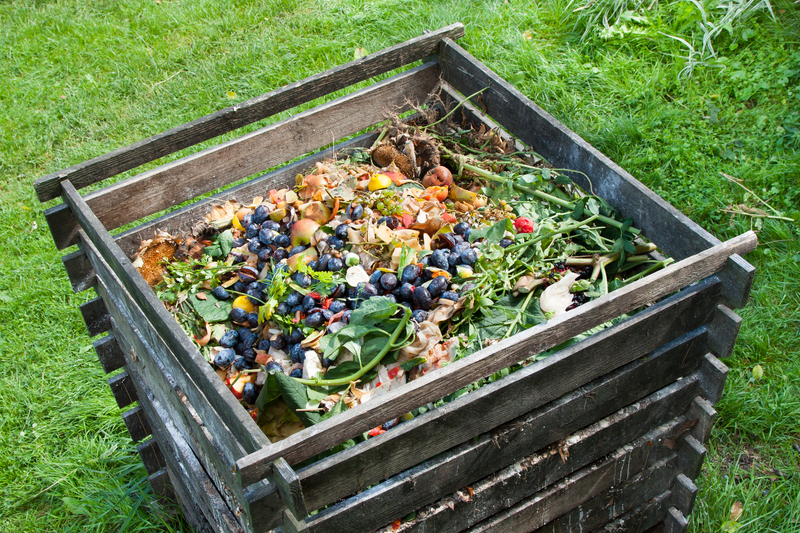
Composting is among the best ways to reduce kitchen waste. Organic matter such as fruit and vegetable scraps, eggshells, and coffee grounds can be turned into nutrient-rich compost for your garden or plants.
- Set up a compost bin in your backyard or even indoors with proper equipment.
- Understand what can and cannot be composted to avoid contamination.
- Use finished compost to enrich soil for gardening.
4. Reducing Paper and Plastic Waste
Go Digital
We live in a digital age, so take advantage of technology to decrease paper use.
- Switch to e-bills, e-tickets, and digital receipts instead of printed paper versions.
- Read e-books and online news rather than purchasing physical copies.
- Unsubscribe from unwanted mail to stop clutter before it starts.
Break Up with Single-Use Plastics
- Use reusable shopping bags for groceries and daily shopping.
- Carry a refillable water bottle and coffee cup.
- Store food in glass or silicone containers.
- Buy household products in bulk to reduce small plastic packaging.
Recycle Smartly
- Rinse out containers before recycling to prevent contamination.
- Check local guidelines to ensure you are sorting recyclables correctly.
- Drop off items like electronics, batteries, and light bulbs at special recycling centers.
5. Reuse, Repurpose, and Donate
Find New Uses for Old Items
- Repurpose glass jars as storage containers, planters, or vases.
- Turn old clothes into rags or DIY projects like tote bags or quilts.
- Reuse packaging materials for shipping or storage.
Participate in the Sharing Economy
Explore community platforms for borrowing, lending, or gifting items instead of buying new:
- Use apps and websites to give away or trade items you no longer need.
- Participate in clothing swaps or community exchange events.
- Donate gently used goods to local charities, shelters, or thrift stores.
Repair Instead of Replace
Before tossing an item, ask whether it can be fixed. Sewing a shirt, mending furniture, or repairing electronics can greatly extend an item's lifespan and save money.
6. Eco-Friendly Cleaning and Personal Care
Refill and Make Your Own
- Opt for refillable cleaning products to reduce packaging waste.
- Make DIY cleaners from household ingredients like vinegar, baking soda, and lemon juice.
- Choose solid soaps and shampoos over bottled liquids.
Reduce Disposable Personal Care Items
- Replace single-use cotton pads with washable alternatives.
- Use bamboo toothbrushes or electric models with replaceable heads.
- Try a safety razor instead of disposable versions.
7. Green Your Kitchen and Laundry Routine
Kitchen Waste Minimization
- Cook at home more often to avoid takeout packaging.
- Preserve food by canning, pickling, or dehydrating.
- Use cloth napkins and towels instead of paper products.
Efficient Laundry Practices
- Wash full loads to conserve water and energy.
- Air-dry clothes to reduce energy use and plastic microfibers shed from synthetic fabrics.
- Switch to eco-friendly detergent in bulk packaging or powder form.
8. Buy Second-hand and Upcycled Products
Buying pre-loved items helps keep perfectly usable products out of landfills. From furniture and electronics to clothing and toys, shopping second-hand is a savvy and eco-conscious choice.
- Shop at thrift stores and consignment shops.
- Check out local swap meets and online marketplaces.
- Embrace upcycled products for a unique and sustainable touch to your home.
9. Teach Kids Waste Reduction Early
Educate children on the importance of waste minimization practices at home. Make it fun and effective:
- Involve kids in composting and recycling projects.
- Encourage creativity by making crafts with reusable materials.
- Set a positive example with your own sustainable habits.
10. Track Your Progress and Celebrate Success
Keep a log of items you reduce, reuse, or recycle each month. Small improvements can feel rewarding and inspire you to do more. Share your successes with friends and family to spread the message of reducing household waste.

Conclusion: Every Step Counts
In conclusion, minimizing waste at home is both achievable and empowering. By rethinking buying habits, embracing the 5 R's, and making a few simple swaps, you're on the path to a more eco-friendly and responsible lifestyle. Remember, every little action adds up--what seems like a small change in your household can lead to a significant positive impact when adopted community-wide. Start with one or two strategies from this guide, and gradually implement more until waste reduction becomes second nature. Be an example and inspire others; the planet will thank you!
Frequently Asked Questions (FAQs) About Minimizing Household Waste
What is the fastest way to reduce home waste?
The quickest way to reduce home waste is by refusing single-use items, switching to reusable products, and composting food scraps.
How can I responsibly dispose of hazardous household waste?
Take items like batteries, electronics, paint, and chemicals to designated collection or recycling centers. Never throw them in the regular trash.
Are compostable products always the best option?
Compostable products are preferable if you have access to a proper composting facility. However, focus first on reusable options to minimize waste even further.
How do I encourage my family to get involved in reducing waste?
Set up clear recycling and composting stations, celebrate milestones together, and explain the environmental benefits of your efforts.
For more tips and resources on waste minimization at home, explore local government guidelines and join community initiatives dedicated to sustainability.