Enhancing Your Workplace Recycling Efforts
Enhancing Your Workplace Recycling Efforts: A Comprehensive Guide
In the modern business environment, sustainability and eco-friendliness have become not only ethical imperatives but also essential for a company's image and bottom line. Enhancing your workplace recycling efforts is a practical and meaningful step toward a greener, more responsible operation. This guide explores actionable ways to improve recycling programs at work, foster employee engagement, and maximize your company's positive environmental impact.

Why Focus on Workplace Recycling?
The workplace remains a significant generator of waste, from paper and packaging to electronics and organics. Corporate recycling enhancement goes beyond compliance--it demonstrates corporate social responsibility, improves your sustainability credentials, and can even result in financial savings through waste reduction.
- Reduces landfill waste and environmental footprint
- Supports a positive company culture
- Enhances brand reputation
- Can lower operational costs
- Aligns with government regulations and incentives
Assessing Your Current Recycling Program
Before you can enhance your office recycling efforts, it's critical to understand your starting point. Conduct a thorough waste audit to determine:
- What types of waste does your office produce?
- How much recyclable material is being discarded as trash?
- Where are the main bottlenecks or barriers in your recycling system?
Tip: Use visual waste separation stations as part of the audit to better identify common contaminants and misuse of bins.
Employee Survey
Gather anonymous feedback to gauge knowledge, attitudes, and willingness to participate in recycling initiatives. Discovering whether employees understand what can be recycled, and how, is crucial to improving recycling rates at the workplace.
Setting Realistic Recycling Goals
To boost workplace recycling programs, set SMART goals: Specific, Measurable, Achievable, Relevant, and Time-bound.
- Example Goal #1: Increase the recycling rate from 30% to 50% within one year.
- Example Goal #2: Introduce composting in office kitchens to divert 1,000 pounds of food waste annually.
- Example Goal #3: Achieve 100% staff participation in the recycling program by year-end.
Communicate these goals clearly to the entire team and celebrate milestones to encourage ongoing involvement.
Designing an Effective Recycling System
A successful workplace recycling program relies on accessibility, clarity, and convenience. Take the following steps to engineer a more efficient and user-friendly system:
1. Provide Clearly Marked Recycling Bins
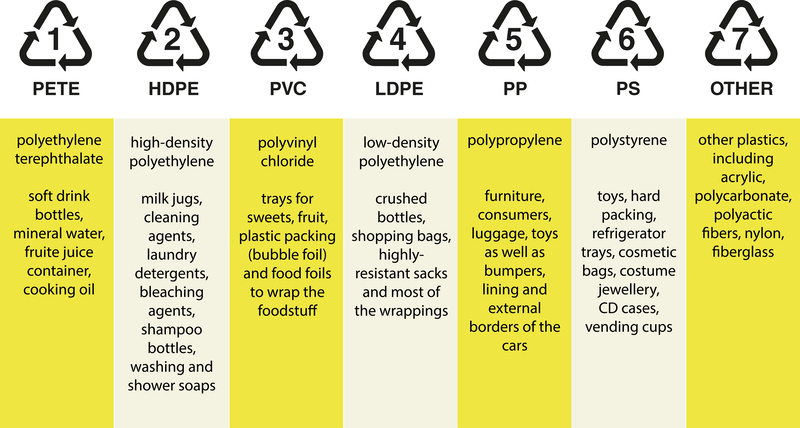
- Use color-coded bins (blue for recycling, green for compost, black for landfill) and universally recognized symbols.
- Place bins in strategic locations: break rooms, print areas, meeting rooms, and near exits.
- Ensure that each workstation has easy access to recycling and waste bins.
2. Use Clear Signage and Instructions
- Label bins with detailed lists or images of recyclable and non-recyclable items.
- Update signage as recycling rules and accepted materials change.
- Create FAQs or quick guides for troubleshooting recycling queries.
3. Minimize Contamination
- Train staff on common contaminants (e.g., food remnants, oily containers, plastic bags).
- Offer examples and checklists for clean recyclables.
Engaging Employees to Boost Recycling
Employees are the heart of any sustainability initiative. Fostering a green workplace culture substantially increases the effectiveness of your recycling system.
Create a Green Team
- Form a cross-departmental committee to oversee recycling efforts at work.
- Empower the team to develop initiatives, monitor outcomes, and educate coworkers.
Run Awareness Campaigns
- Host lunchtime seminars or short events about recycling benefits.
- Arrange visits from local waste management experts.
- Display posters or digital dashboards highlighting recycling statistics and progress.
Incentivize Participation
- Hold friendly competitions between departments for top recycling rates.
- Reward milestones with eco-friendly prizes or recognition.
- Create a digital leaderboard showcasing improvements by team or floor.
Expanding Beyond the Basics: Advanced Recycling Opportunities
Once the fundamentals are in place, consider expanding your workplace's recycling initiatives:
- Electronics and e-waste collections: Arrange quarterly drop-offs for old devices, batteries, and cords.
- Toner cartridge recycling: Partner with retailers or manufacturers for return and recycle programs.
- Composting: Set up organics bins in kitchens or break rooms for coffee grounds, tea bags, and food scraps.
- Textile and uniform recycling: Collect old uniforms, promotional apparel, or linens for textile recycling programs.
- Zero-waste event planning: Require all company events to use compostable or reusable dishware and provide full recycling stations.
Partner with Local Recycling Services
- Build relationships with municipal or private recycling firms.
- Arrange for regular pickups and confirm the end destination and processing of recyclables.
Go Paperless Where Possible
- Adopt digital documentation and electronic signatures.
- Encourage double-sided printing and enforce print quotas.
- Eliminate unnecessary printouts and switch to digital communication tools.
Monitoring and Improving Your Recycling Strategy
Continuous improvement is a key element of workplace sustainability. Regularly measuring and analyzing your metrics helps uncover opportunities for further recycling initiative enhancement.
Track Progress
- Use weigh-ins or volume estimates to measure waste diverted.
- Record contamination rates and identify problem areas.
- Survey employee satisfaction and knowledge regularly.
Refine and Innovate
- Adjust bin placement, signage, or education campaigns based on feedback and results.
- Test new methods--like centralized recycling points or automated tracking systems--to improve efficiency.
Share the Results
- Present recycling statistics in internal newsletters or dashboards.
- Highlight success stories and recognize outstanding contributors.
- Communicate how the company's efforts are making a difference to employee motivation and public perception.
Overcoming Common Workplace Recycling Challenges
No recycling program is perfect from the start. Here are effective solutions to frequent obstacles in the workplace waste reduction journey:
- Lack of Buy-In: Involve all levels of staff from the outset and seek management support for visibility and accountability.
- Contamination: Regularly update training and provide real-world examples of common mistakes.
- Access Issues: If bins are inconveniently located, people won't use them. Ensure ample, easy-to-reach recycling points throughout the workplace.
- Mixed Messages: Standardize signage and synchronize education efforts with custodial staff to eliminate confusion.
- Tenant or Building Challenges: For tenants in multi-use buildings, coordinate with property managers or other tenants for a unified recycling approach.
The Future of Recycling in the Workplace
Innovative technology and changing regulations are creating new opportunities for recycling program enhancement at work:
- Artificial intelligence can now help detect contaminants and optimize sorting.
- Smart bins track volume and usage patterns, sending alerts for pickup or maintenance.
- On-site compactors and shredders reduce the volume of recyclables and prevent data leaks from sensitive materials.
- Employee engagement apps prompt timely actions and provide instant recycling tips.
Remaining agile and open to new solutions is key to staying ahead in your sustainability journey.
Conclusion: Make Recycling Part of Your Corporate DNA
Enhancing your workplace recycling efforts is a continuous, collaborative process that benefits your organization, employees, and the environment. With clear goals, engaged employees, accessible systems, and innovative recycling opportunities, your business can become a model of office sustainability. Start today by assessing your current practices, setting actionable goals, and cultivating a culture of environmental stewardship--one recyclable item at a time.
Take Action Now:
- Audit your workplace waste stream.
- Set clear, measurable recycling targets.
- Engage employees through education and incentives.
- Expand into advanced recycling initiatives.
- Track, measure, and refine your program for long-term success.
Every step toward a greener office makes a difference--let your workplace lead the way in responsible recycling!