Smart Strategies to Reduce Waste in Your Home
Reducing waste in your home is more important than ever before. Our growing environmental challenges call for actionable steps that each of us can take right where we live. By embracing smart strategies to reduce household waste, you not only help preserve natural resources but also save money and create a cleaner, healthier living environment for your loved ones. This comprehensive guide offers practical, easy-to-implement ideas that empower you to minimize waste--starting today!
Why Should You Reduce Household Waste?
Every day, the average household generates materials that end up in landfills or as pollution. This waste has environmental, social, and financial costs. By reducing the waste you create at home, you can make a profound positive impact. Here's why reducing household waste matters:
- Environmental Protection: Less waste means less pollution, reduced greenhouse gas emissions, and conservation of natural resources.
- Cost Savings: Buying only what you need and prolonging the life of products saves you money over time.
- Healthier Home: A less cluttered environment reduces stress and creates more space for things you truly value.
- Community Impact: Setting a positive example can inspire neighbors to adopt similar eco-friendly habits.

Audit and Understand Your Home's Waste
Before you can reduce waste, you need to know what you're wasting. Start by conducting a waste audit in your home:
How to Perform a Home Waste Audit
- Collect your household trash and recyclables for a week.
- Sort the waste into categories such as food, plastic, paper, glass, metal, electronics, and hazardous materials.
- Analyze which types of waste you produce most.
Identifying the biggest waste sources reveals where to focus your waste reduction strategies.
Top Smart Strategies to Reduce Waste at Home
1. Adopt the 5 R's: Refuse, Reduce, Reuse, Recycle, Rot
- Refuse: Say no to items you don't really need, such as single-use plastics or unsolicited junk mail.
- Reduce: Buy in bulk, choose products with minimal packaging, and avoid disposable items.
- Reuse: Opt for refillable water bottles, cloth shopping bags, and reusable containers.
- Recycle: Ensure you separate and clean recyclables according to your local recycling program.
- Rot (Compost): Composting food scraps and yard waste diverts organic matter from landfills, reducing methane emissions.
2. Minimize Food Waste with Smart Shopping and Planning
Food waste is a major component of household garbage. Here's how to become better at food management:
- Create a weekly meal plan to buy only what you need.
- Make a shopping list and stick to it--avoid impulse buys.
- Store food properly to extend its shelf life. Use airtight containers and store perishables in the right conditions.
- Practice First-In, First-Out (FIFO) in your fridge and pantry, so you use older items before new ones.
- Use leftovers creatively--turn roast vegetables into soups or frittatas, stale bread into croutons, and fruit into smoothies.
3. Switch to Eco-Friendly Household Products
Look for sustainable alternatives for your everyday needs, such as:
- Bamboo or recycled paper products instead of traditional plastics.
- Biodegradable cleaning products that break down without harming the environment.
- Rechargeable batteries instead of single-use ones.
- Items with minimal or recycled packaging.
4. Buy in Bulk and Choose Refillable Options
Purchasing in bulk reduces packaging waste dramatically. Whenever possible:
- Bring your own containers to bulk food stores.
- Choose refill stations for essentials like laundry detergent, soap, and cleaning solutions.
- Opt for larger-size items instead of multiple small packages.
5. Embrace Reusables in Every Room
- Switch to reusable kitchen cloths and towels instead of paper towels.
- Use reusable lunchboxes and bottles for school and work.
- Replace disposable razors and toothbrushes with durable, reusable options.
- Keep reusable shopping bags handy for errands and grocery trips.
6. Start Composting at Home
Composting is one of the most effective smart strategies to reduce organic waste in your home. Whether you have a garden or just a kitchen counter, there is a composting solution for you:
- Set up a backyard compost bin or pile for yard clippings, veggie peels, eggshells, and more.
- If space is tight, try a worm bin (vermicomposting) or a compact indoor compost system.
- Use composted material to fertilize garden beds, potted plants, or even donate to a local community garden.
7. Reduce Paper Waste and Go Digital
- Opt for electronic bills, statements, and subscriptions whenever possible.
- Unsubscribe from unwanted junk mail and catalogs.
- Print only when necessary--use double-sided printing to save paper.
- Store documents digitally and back them up in the cloud.
8. Repurpose and Upcycle Household Items
Before throwing something away, ask: "Can I use this for something else?" Some creative ways to repurpose include:
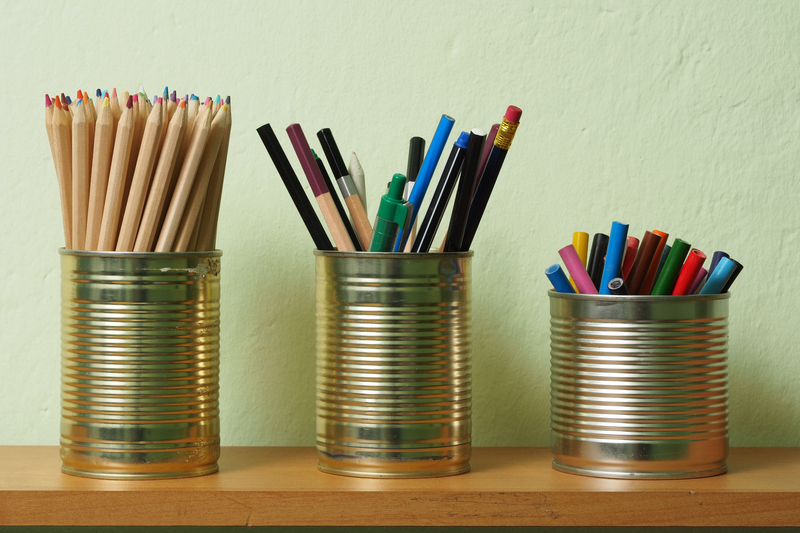
- Mason jars as food storage, vases, or organizers.
- Old t-shirts transformed into cleaning rags or reusable grocery bags.
- Glass bottles reused as decorative vases or for homemade beverages.
- Shoe boxes for organizing drawers and shelves.
9. Donate or Responsibly Dispose of Unwanted Items
Instead of throwing unwanted items in the trash, find a suitable new home for them:
- Donate gently used furniture, electronics, and clothing to local charities or shelters.
- Host a yard sale or use online platforms to give away items for free.
- Check your community for hazardous waste or e-waste drop-off locations for proper recycling.
Smart Waste Reduction Room-by-Room
In the Kitchen
- Plan meals and utilize leftovers.
- Compost food scraps and coffee grounds.
- Store food in reusable containers or beeswax wraps instead of plastic wrap.
- Buy fresh, local, and seasonal produce to reduce the need for packaging.
In the Bathroom
- Replace single-use cotton pads with reusable alternatives.
- Switch to bar soap instead of liquid soap in plastic bottles.
- Try shampoo and conditioner bars or refillable options.
- Use cloth towels rather than paper towels.
In the Laundry Room
- Use concentrated laundry detergent or soap nuts to reduce packaging.
- Wash full loads to conserve water and energy.
- Air-dry clothing to save energy and prolong the life of your garments.
In the Home Office and Living Area
- Go paperless with digital files and e-billing.
- Reduce clutter by regularly donating unneeded items.
- Buy pre-owned furniture and repair rather than replace items.
Involve the Whole Family in Waste Reduction
Getting everyone in your household involved is crucial for lasting change. Try these steps:
- Set specific family waste reduction goals and track your progress together.
- Host friendly competitions to see who can generate the least trash in a week.
- Teach children about the importance of environmental stewardship with age-appropriate chores, like composting or recycling sorting.
- Celebrate achievements and reward your collective efforts.
Overcoming Common Challenges
"I don't have time to reduce waste at home."
Start small by focusing on just one area, like food waste. You'll find that many waste-saving habits, like meal planning or using reusables, soon become effortless parts of your routine.
"Eco-friendly products are too expensive."
While there may be an upfront cost for reusables and zero-waste products, they generally last much longer and save you money over time. Additionally, reducing purchases and buying only what you need offers overall savings.
"It's confusing to know what can be recycled."
Contact your local waste management service or look online for a recycling guide specific to your community. Always clean your recyclables and avoid "wishcycling"--putting non-recyclable materials into the recycling bin--which can contaminate the stream.
Benefits of a Low-Waste Lifestyle
- Reduces your environmental impact and carbon footprint.
- Lowers household expenses and clutter.
- Sets a positive example for children and your community.
- Can lead to healthier food choices and less exposure to toxins.
Bonus Smart Strategies for Ultimate Waste Reduction
- Repair instead of replace: Learn basic sewing or appliance repair skills.
- Grow your own herbs or vegetables to cut down on packaging waste and enjoy fresh produce.
- Host clothing swaps with friends to refresh your wardrobe sustainably.
- Borrow or rent tools and equipment instead of buying for single-use projects.
- Buy second-hand whenever possible to extend the life cycle of goods.
Conclusion: Make Smart Waste Reduction a Way of Life
Adopting smart strategies to reduce waste in your home doesn't require perfection--just a commitment to make meaningful changes, one step at a time. Start by making small adjustments in your daily routines and gradually introduce more impactful waste reduction practices as your awareness and confidence grow.
Your home can become a model of sustainability, benefiting your family, the environment, and future generations. Start today, and celebrate each success as you make a real difference by living more mindfully and sustainably!
Remember: Even a few small changes can have a powerful cumulative effect. Get creative, stay consistent, and share these smart strategies for reducing home waste with friends and neighbors. Together, we can all work towards a greener future.