The Evolution of Waste Management Through the Ages
Waste management is a crucial aspect of modern civilization, ensuring public health, environmental protection, and resource efficiency. Yet, the methods we use to handle our refuse have changed dramatically over millennia. This comprehensive article explores the evolution of waste management through the ages, from ancient times to the present and peering into the future.
Introduction to the History of Waste Management
Every society produces waste. As populations expanded and technologies advanced, the challenges of managing waste grew, shaping societal norms and innovations. Tracing the history of waste management offers insight into humanity's creativity and adaptability. It also explains current best practices and future trends in environmental care.
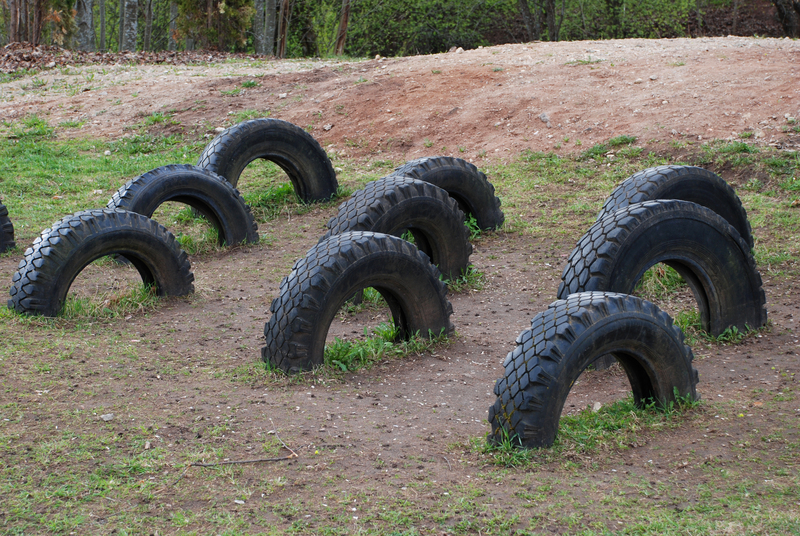
Ancient Civilizations: The Beginnings of Waste Disposal
Waste is as old as civilization itself. Early waste disposal methods reflect a blend of necessity, culture, and available technology.
The Stone Age: Dugout Pits and Simple Solutions
- Hunter-gatherers generated minimal waste, mostly organic and biodegradable.
- Refuse was typically left to decompose naturally or buried in simple pits.
- Archaeological sites reveal ancient waste layers, or "middens," providing clues into early diets and habits.
Urban Growth in Mesopotamia and Ancient Egypt
As urban centers developed, such as Ur and Thebes, the challenge of waste management intensified:
- Sumerians developed drainage and waste channels to manage household rubbish.
- Ancient Egyptians hired "sweepers" to clear city streets, employing organized teams for this task.
- Dump sites and landfill methods were early solutions for dealing with increasing garbage.
The Roman Empire: Engineering Public Sanitation
The Romans are celebrated for their innovations in waste management:
- Pioneered complex sewer systems like the Cloaca Maxima.
- Instituted street cleaning crews and public dumps outside city walls.
- Illegal dumping was punishable, setting the stage for government regulation of public waste.
The Middle Ages to the Industrial Revolution: Challenges and Changes
Population increases and social changes forced new approaches to waste handling. Unfortunately, this era is famous for widespread litter and poor sanitation.
Urban Squalor and the Black Death
- During medieval times, waste was often tossed into streets or rivers.
- Waste piles bred disease: outbreaks like the Black Death were exacerbated by poor sanitary conditions.
- Some cities introduced bylaws banning certain waste disposal practices.
The Beginnings of Municipal Waste Collection
By the 15th and 16th centuries, cities such as Paris and London issued ordinances for public waste removal:
- "Rakers" and "scavengers" gathered waste from homes and transported it outside city limits.
- Early landfills and primitive composting began to emerge.
- Waste-to-resource practices started: animal bones and rags were collected for reuse.
Waste Management in the Industrial Age
The Industrial Revolution ushered in a sea change in waste production and management:
- Mass production and urbanization generated unprecedented garbage volumes.
- The nature of waste changed, with more non-biodegradable materials like glass and metal.
Innovation and Infrastructure
- First comprehensive municipal waste collection systems - e.g., London's Public Health Act of 1848.
- Growth of waste incineration and landfilling for disposal.
- Identification of pollution as a public health crisis, prompting further innovations.
The Modern Era: Science, Recycling, and Regulation
By the 20th century, the focus of waste management evolution shifted to resource conservation and pollution prevention.
Post-War Boom and Suburbia
- Consumer culture and disposable products multiplied waste streams.
- Sanitary landfills replaced open dumps to prevent groundwater contamination.
- Development of chemical treatments to stabilize and neutralize waste.
The Birth of the Recycling Industry
Growing environmental awareness in the 1960s-70s fueled demand for recycling and reuse:
- First modern recycling centers opened.
- Legislation (like the U.S. Resource Conservation and Recovery Act) mandated recycling programs.
- Global campaigns and the iconic three-arrow recycling symbol emerged.
Hazardous and Electronic Waste
- The rise of chemicals, plastics, and electronics introduced new challenges to waste management systems.
- Specialized treatment and disposal facilities built to handle hazardous materials.
- Global agreements, such as the Basel Convention, sought to curb irresponsible e-waste exports.
21st Century Waste Management: Towards Zero Waste
Modern strategies aim to minimize waste through prevention, sustainability, and innovation. Let's examine the most influential trends.
Circular Economy and Sustainable Practices
- Designing products for longevity, repair, and recyclability to extend their life cycles.
- Adoption of the "reduce, reuse, recycle" hierarchy in waste management policies worldwide.
- Collaborations between government, industry, and citizens to minimize environmental impact.
Smart Technologies and Digital Solutions
Digital transformation is reshaping waste management services:
- Smart bins equipped with sensors for optimized collection routes.
- Data analytics track waste generation patterns to improve system efficiency.
- Integration of Internet of Things (IoT), robotics, and AI for sorting and processing facilities.
Community Engagement and Global Initiatives
- Community composting, upcycling, and local recycling initiatives multiplying across cities.
- International efforts like the United Nations' Sustainable Development Goals (SDGs) targeting responsible consumption and production (Goal 12).
- Climate action plans incorporate waste management as part of emission reduction strategies.
Key Milestones in the Evolution of Waste Management
- Ancient sanitation systems like Rome's sewers set a precedent for urban planning.
- Industrial-era public health reforms introduced municipal waste collection.
- 20th-century invention of the sanitary landfill reduced health hazards.
- Introduction of recycling and hazardous waste legislation to protect resources and ecosystems.
- Emergence of the circular economy and zero-waste movements in the 21st century.
Challenges and Opportunities Ahead in Waste Management
Although waste management has progressed tremendously, new obstacles continue to arise:
- Plastic pollution and microplastics threaten oceans and food chains.
- Managing electronic and hazardous waste safely at scale.
- Ensuring equity and access to waste services in developing regions.
- Balancing economic growth with sustainable consumption habits.
Yet, these challenges unlock innovative opportunities for the waste management industry:
- Developing biodegradable and recyclable materials to replace single-use plastics.
- Widespread adoption of extended producer responsibility (EPR): making manufacturers responsible for product end-of-life.
- Urban mining to recover valuable materials from discarded electronics.
- Education and cultural change to reduce waste at its source.
The Future: Next-Gen Waste Management Solutions
Looking forward, the evolution of waste management continues, powered by technology, policy, and community action:
- AI-driven sorting facilities that maximize landfill diversion.
- Increased resource recovery--turning waste into renewable energy and raw materials.
- Personalized waste dashboards for households and businesses.
- Innovative bioengineered solutions, like waste-eating fungi or bacteria.
A strong vision for the future of waste management includes zero-waste cities, closed-loop manufacturing, and global resource equity. Achieving these goals will depend on continuing the journey of innovation we have witnessed throughout history.
Conclusion: Lessons from the Past, Guidance for Tomorrow
The evolution of waste management through the ages is a testament to humanity's capacity to solve complex problems, transforming refuse into resources and safeguarding public health. From the humble midden heaps of prehistory to today's smart recycling centers, each era contributed essential advancements.
The story of waste management advancement reminds us of the importance of adaptability, collaboration, and foresight. Facing 21st-century environmental challenges, we are called not only to manage waste but to rethink it as a valuable asset in a sustainable world.
As individuals, communities, and global citizens, understanding this journey empowers us to make informed choices and shape a cleaner, greener future for generations ahead.

Frequently Asked Questions (FAQ)
- When did organized waste management begin?
Organized waste management dates back to ancient cities like Rome and Athens, where regulations and public sanitation systems emerged. - What are today's main waste management challenges?
Plastic pollution, electronic waste, hazardous materials, and lack of access to services in developing countries. - How can individuals contribute to modern waste management?
By reducing, reusing, and recycling; composting; choosing sustainable products; and supporting local initiatives. - What technologies are shaping the future of waste management?
AI, IoT, advanced sorting, biodegradable materials, and circular economy models.
References and Further Reading
- USEPA: History of Solid Waste Management
- Encyclopedia Britannica: Solid Waste Management
- UNEP: Waste Management
- National Geographic: History of Waste
By tracing the fascinating evolution of waste management through the ages, we see not only our past innovations, but a roadmap guiding us towards a cleaner and more sustainable tomorrow.